Equip Every Workshop to Spark Lasting Change

Step into a practical, energizing guide to Facilitator Toolkits for Interactive Soft Skills Training, where hands-on methods meet evidence-based design. Discover what to pack, how to tailor activities to your learners, and smart ways to blend practice, feedback, and reflection. You will leave with adaptable ideas for in-person, hybrid, and remote rooms, plus checklists, prompts, and rituals that help participants try new behaviors safely, remember them later, and transfer skills back to real projects and teams.

Design Principles That Make Activities Work

Anchor Everything in Real Work

Participants lean in when examples mirror their actual challenges. Replace generic prompts with real customer emails, performance review drafts, or cross-team escalation scenarios. In one conflict workshop, switching to a live case from last month transformed hesitation into urgency, yielding bolder practice, sharper feedback, and immediate relevance that transferred naturally into the week’s pipeline meetings and standups.

Build Loops of Practice, Feedback, and Reflection
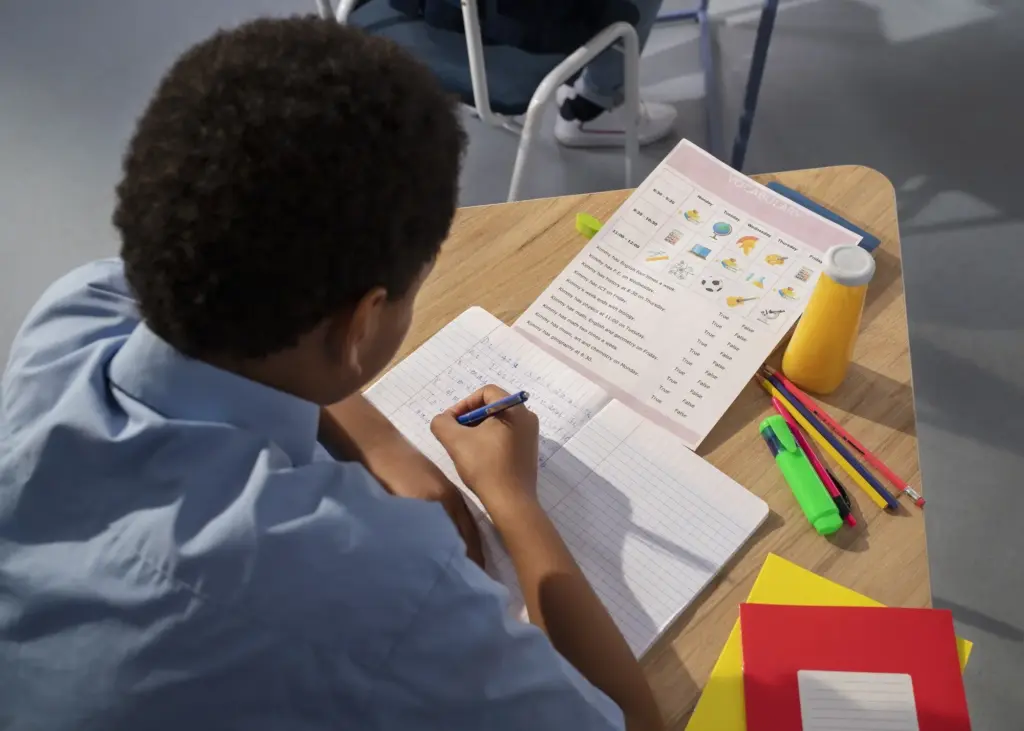
Soft skills grow through repeated, supported attempts. Use short timed rounds, rotating roles, and observer checklists to create visible progress. Layer immediate peer feedback with facilitator modeling, then add a quick reflective write-up to consolidate insights. These loops prevent performative participation, normalize iteration, and empower quieter voices to contribute meaningfully without pressure to be perfect on the first try.

Plan Energy and Cognitive Load Intentionally

Map a rhythm that alternates intensity with breathing space. Follow a high-stakes role-play with a quiet self-assessment or a paired walk-and-talk. Use timers, music cues, and stretch breaks to reset attention. By managing cognitive load, you reduce overwhelm, protect safety, and keep curiosity high, ensuring participants remain present, courageous, and ready for progressively tougher interpersonal challenges.

What to Pack: The Essential Kit

A well-built kit travels light but punches above its weight. Combine concise facilitator guides, activity cards, scenario banks, and debrief prompts with visual canvases, timers, markers, and portable whiteboards. Add digital layers for polls, breakout logistics, and asynchronous reflection. Prepare backups for low bandwidth, accessibility needs, and late arrivals. When your tools flex to constraints, engagement stays strong and learning keeps moving forward.

Interactive Methods That Transform Soft Skills

Interactive techniques breathe life into communication, empathy, conflict navigation, and leadership presence. Favor structures that democratize airtime and push real stakes safely: role-plays with observer rubrics, branching scenarios, fishbowls, world café, and liberating structures. Match complexity to experience, scaffold challenge, and always prebrief purpose and norms. When methods are chosen with intent, courageous conversations become learnable, repeatable, and genuinely useful at work.

Measuring Impact and Proving Value

Evidence matters. Define success upfront, then track experience, learning, behavior, and results using practical proxies. Blend pulse checks, observable behaviors, manager reinforcement, and follow-up nudges at 30-60-90 days. Translate skill growth into risk reduction, faster decisions, or improved retention. When stakeholders see a credible chain from activity to outcome, support grows and programs earn room to iterate boldly.

Define Outcomes Before Designing Activities

Start with two to three observable behaviors, like “names assumptions before proposing solutions” or “gives behavior-specific feedback within twenty-four hours.” Design activities that surface these moments repeatedly. This alignment keeps sessions sharp, clarifies debrief questions, and makes post-workshop measurement straightforward, linking practice directly to the everyday conversations where performance and trust are either strengthened or quietly eroded.

Collect Data Without Killing Flow

Use lightweight tools: emoji pulse checks, quick rubrics, and photographed canvases tagged to teams. Invite observers to mark instances of target behaviors rather than vague impressions. Automate summary emails and dashboards after each cohort. By keeping data collection human and simple, you protect momentum while still creating a compelling narrative of progress that leaders understand and appreciate.

Sustain Transfer After the Workshop

Anchor commitments with manager briefings, calendar nudges, and peer practice pods. Share micro-reminders, scenario refreshers, and short challenge prompts weekly for a month. Celebrate small wins publicly. This rhythm keeps experiments visible, strengthens accountability, and turns fragile insight into sturdy habit, especially when competing priorities threaten to push communication, feedback, or conflict skills back to old defaults.

Design for Different Bodies, Brains, and Bandwidths

Offer multiple ways to engage: writing, speaking, drawing, and movement. Provide printed and digital materials, color-safe visuals, and clear audio. Prepare low-tech backups and offline variants. By lowering barriers related to sensory needs or connectivity, you invite fuller participation from everyone, not just the loudest or most comfortable, which improves psychological safety and the realism of practice outcomes.

Make Courage Possible, Not Mandatory

Replace pressure with permission. Use warm-ups that start small, allow observers to pass, and let participants choose challenge levels. Frame mistakes as data. One anxious engineer found footing by starting as a timekeeper, then gradually stepped into dialogue roles, gaining confidence without feeling pushed, while the group learned to cheer experimentation rather than polish alone.

Stories From the Facilitation Floor

Real rooms teach the best lessons. A tense negotiation lab flipped when learners used an empathy map to uncover hidden constraints. A feedback clinic doubled speaking practice by halving scenarios and rotating roles faster. A hybrid team restored trust with explicit turn-taking rituals. Each story shows how a nimble toolkit converts friction into clarity, courage, and measurable next steps.

When Conflict Meltdown Became a Breakthrough

Midway through a conflict session, a role-play spiraled into silence. We paused, named emotions, and pulled a feelings-to-needs card from the kit. That simple external prompt unlocked language for frustration and fear. The group reset norms, retried, and achieved a clean repair, later reusing the same card during a real production incident review with equally constructive results.

A Remote Team Found Its Voice

Cameras off, low energy, and one dominant voice. We introduced numbered turn-taking, a chat-first brainstorm, and a silent canvas for drafting feedback phrases. Participation tripled within twenty minutes. The manager later reported shorter meetings and clearer decisions, crediting the simple rituals and reusable templates that stayed with the team long after the session ended.
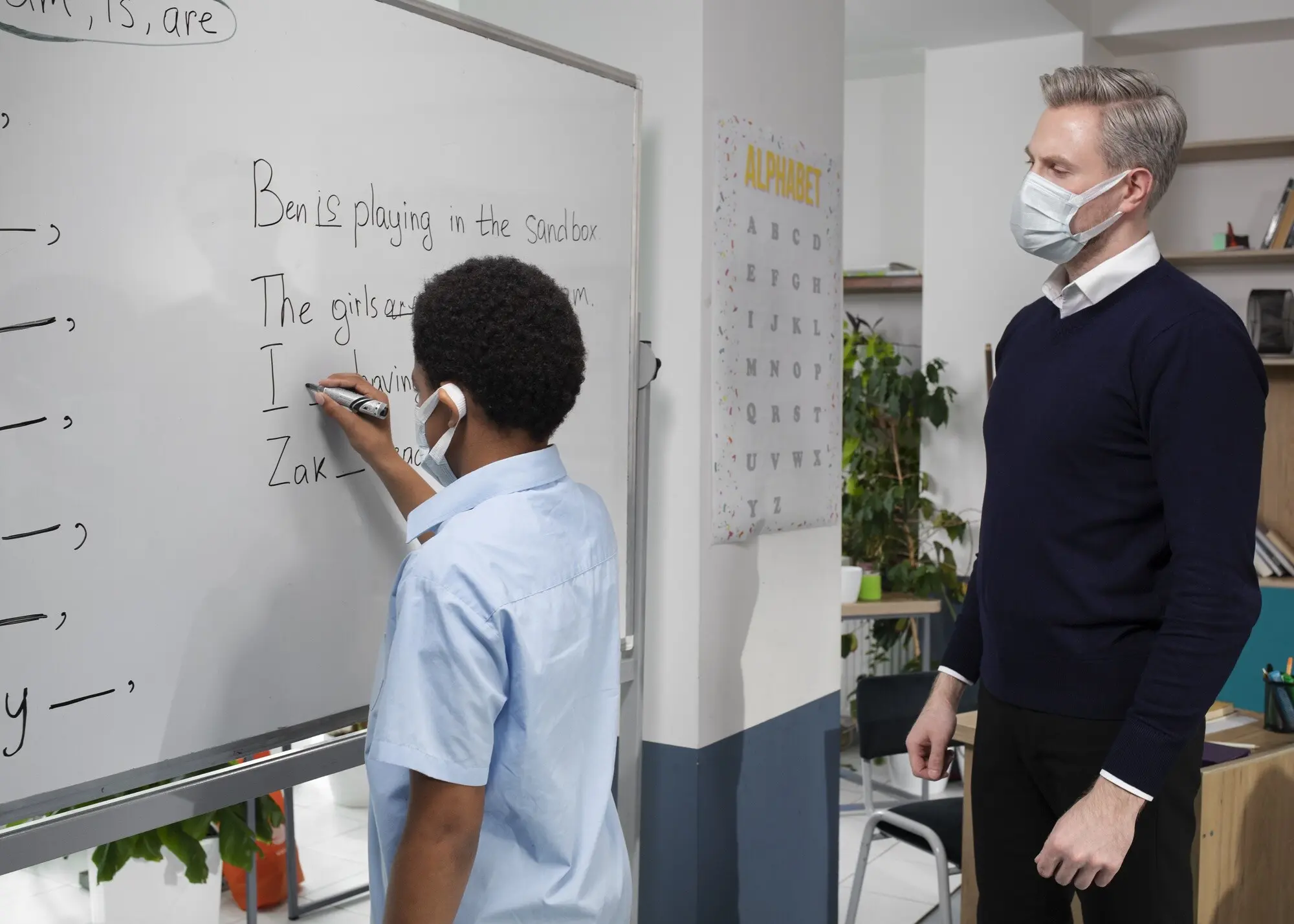

Keep Growing and Share What Works

Facilitation excellence compounds through reflection and community. Treat every session as a prototype: capture surprises, iterate instructions, and refine debriefs. Trade templates with peers, invite feedback, and archive stories tied to artifacts. If this page sparked ideas, subscribe, comment with your favorite activity, or request a new scenario set. Together we can build kinder, braver rooms everywhere.